Stink Bugs

with No Comments

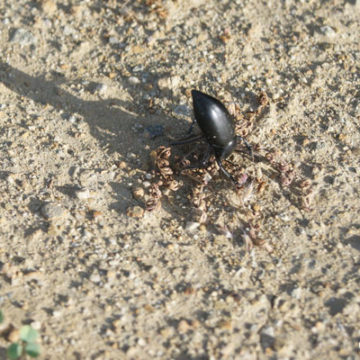
This insect goes by many names: stink bug, darkling beetle, clown beetle, and pinacate beetle. It is jet black in coloring and there are 1400 species within the family. Why does it have the name stink bug? You guessed it, it stinks–rather the secretion it emits from its hind quarters smells. When it feels threatened you see this bug do the stink stand by putting its rear in the air toward the threat. Interestingly, pinacate beetles are found west of … Read More
A Little On Coyotes

with No Comments

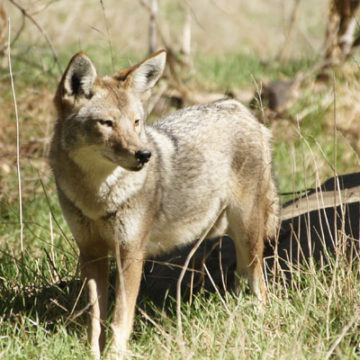
Coyotes often get a bad rap, but because they are opportunists–humans need to be more vigilant about keeping them at bay. Similar to dogs, coyotes are curious, playful, and defend their territory. Coyotes are most active during dawn and dusk, but it is not unusual to see them during the day or at night. If you live in an area with coyotes–help keep them wild by taking proactive steps:1. Keep your pets close at all times.2. Keep your food/water dishes … Read More

Wild Cucumber

with No Comments

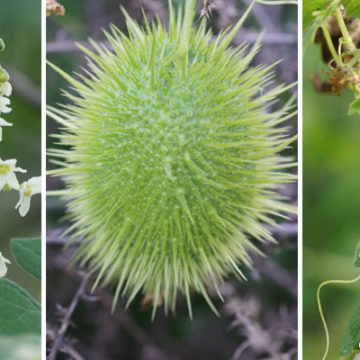
Wild cucumber is a native vine that grows in coastal sage scrub and chaparral habitats. It is native to SoCal and Baja California and when in bloom has small white flowers and green fruits that look like oblong spiked balls. The plants use a twisty technique to “grab on” to other branches and limbs. If you follow the vine to the ground there is usually a sizable root ball. The fruit is bitter, so humans (and most animals) don’t eat … Read More

Acorn Woodpeckers

with No Comments

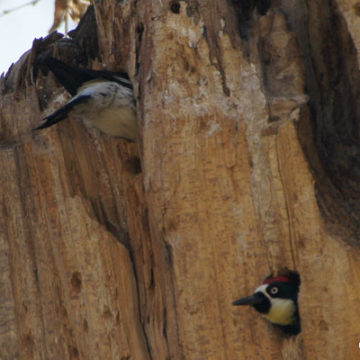
Acorn woodpeckers are found throughout the Puente-Chino Hills Wildlife Corridor. These woodpeckers are known for hoarding acorns and nuts; and eating insects. Food is stored in granaries and hold thousands upon thousands of nuts/acorns. Woodpeckers excavate cavities for nests in dead or living tree limbs, utility poles, buildings, etc. There are usually 3-6 eggs per clutch with an incubation period of 11 days. Have you seen any woodpeckers in the Corridor?

Mule Deer

with No Comments

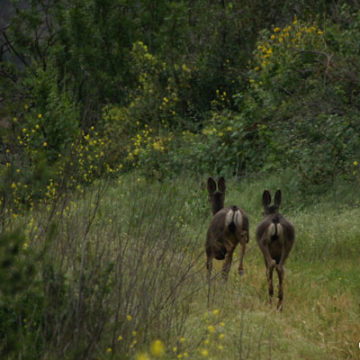
Mule deer are found throughout western North America. They are named for their large ears, which look ears that belong on a … you guessed it … mule. Mule deer are ruminants, which means they ferment plant material before digesting it. For the tail, those are blacktipped (see the photo), unlike the “white tailed” deer. Mule deer are found throughout the Puente-Chino Hills Wildlife Corridor. Please know that we are with you in spirit during this trying time and send … Read More

1 5 6 7 8 9 10 11 14

Accessibility Toolbar

Translate »