Wild Cucumber

with No Comments

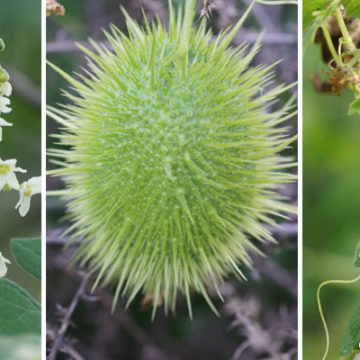
Wild cucumber is a native vine that grows in coastal sage scrub and chaparral habitats. It is native to SoCal and Baja California and when in bloom has small white flowers and green fruits that look like oblong spiked balls. The plants use a twisty technique to “grab on” to other branches and limbs. If you follow the vine to the ground there is usually a sizable root ball. The fruit is bitter, so humans (and most animals) don’t eat … Read More
Acorn Woodpeckers

with No Comments

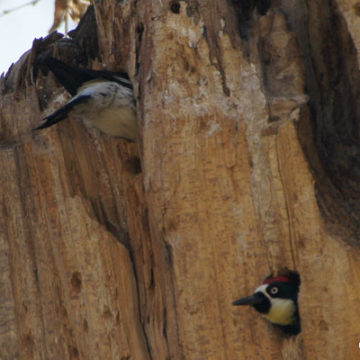
Acorn woodpeckers are found throughout the Puente-Chino Hills Wildlife Corridor. These woodpeckers are known for hoarding acorns and nuts; and eating insects. Food is stored in granaries and hold thousands upon thousands of nuts/acorns. Woodpeckers excavate cavities for nests in dead or living tree limbs, utility poles, buildings, etc. There are usually 3-6 eggs per clutch with an incubation period of 11 days. Have you seen any woodpeckers in the Corridor?

A Walk In the Park

with No Comments

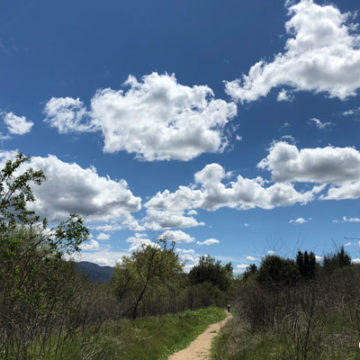
We managed to get some fresh air yesterday, as allowed by the Governor’s Executive Order, by visiting Chino Hills State Park just after the trails had opened. It was peaceful, it was quiet, and a few others had the same idea. Here is a short video from Upper Aliso Trail. Please stay safe. We will get through this together—enjoy the beauty of nature.

Castor Bean

with No Comments

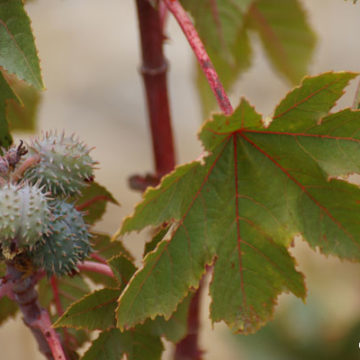
Castor bean is a non-native plant that grows in disturbed areas and along roadways. Its leaves are easy to identify and its seeds (which are NOT actually beans) are used to make castor oil. Additionally, they contain ricin–a water soluble toxin–which in its purified form can kill an adult with just a few grams. Both the Puente Hills Habitat Preservation Authority and Chino Hills State Park are doing their best to remove plants like these (and others) to make the … Read More

Mule Deer

with No Comments

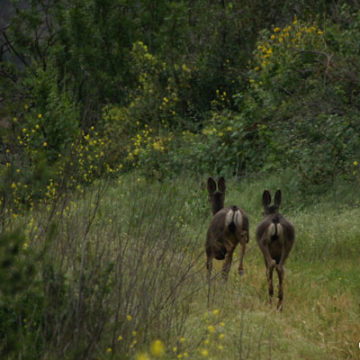
Mule deer are found throughout western North America. They are named for their large ears, which look ears that belong on a … you guessed it … mule. Mule deer are ruminants, which means they ferment plant material before digesting it. For the tail, those are blacktipped (see the photo), unlike the “white tailed” deer. Mule deer are found throughout the Puente-Chino Hills Wildlife Corridor. Please know that we are with you in spirit during this trying time and send … Read More

1 150 151 152 153 154 155 156 267

Accessibility Toolbar

Translate »