Mapping Bird Diversity
on April 18, 2022
with No Comments
This mapping project of bird diversity by the University of Wisconsin, Madison may help conservation efforts across the United States.
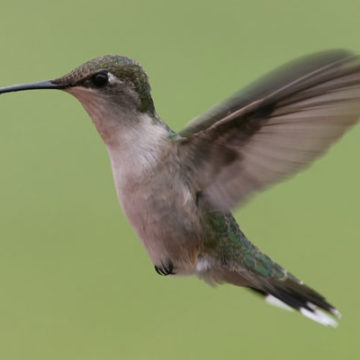
This mapping project of bird diversity by the University of Wisconsin, Madison may help conservation efforts across the United States.
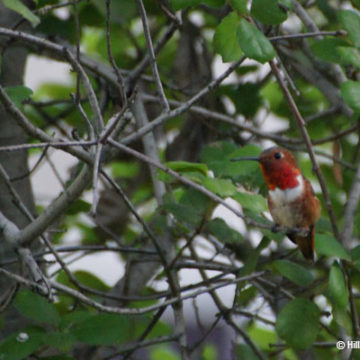
Nesting season has officially started ! Don’t trim trees between February 1st and September 1st, birds rely on trees foliage for shade, shelter and protection.Artwork: Emily Komessar for SBWCN
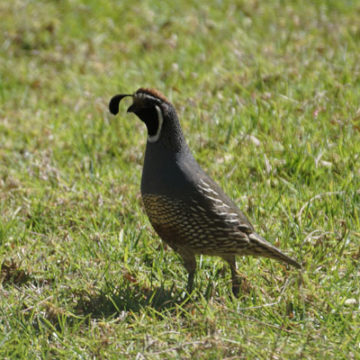
Nature has been a place for people to gather, to learn, to recreate, to regroup, to find beauty, to regain strength, and more. It has been especially challenging with the park closures related to the pandemic to not be able to access these sacred spaces. Even more recently inequities in experiences was brought to light. To honor all who love nature, who want to share in its healing powers, who want positive experiences in the wilds, we ask that you … Read More
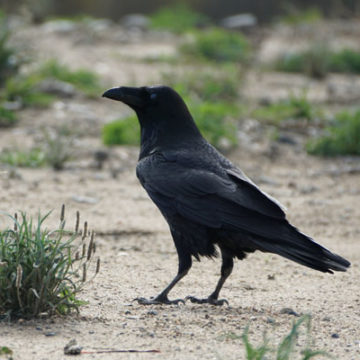
Size: Ravens are larger than crows.Buddies: Ravens often travel in pairs, while crows are seen in larger groups.Tail Feathers: Raven’s have longer tail feathers in the middle of the tail, while a crow’s tail feathers are basically the same length. (Remember the phrase Round Raven, Square Crow)Calls: Raven’s make a lower croaking sound, while crows make a cawing sound.Beaks: Raven’s have shaggy throat feathers and a large, heavy and curved beak, while crows have a slimmer sharp pointy beak. Now … Read More
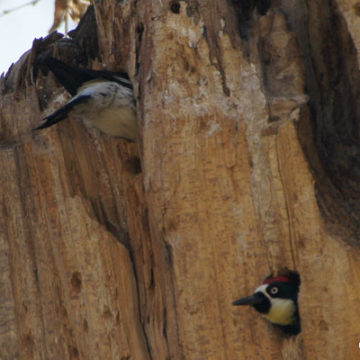
Acorn woodpeckers are found throughout the Puente-Chino Hills Wildlife Corridor. These woodpeckers are known for hoarding acorns and nuts; and eating insects. Food is stored in granaries and hold thousands upon thousands of nuts/acorns. Woodpeckers excavate cavities for nests in dead or living tree limbs, utility poles, buildings, etc. There are usually 3-6 eggs per clutch with an incubation period of 11 days. Have you seen any woodpeckers in the Corridor?